Why Is My Heat Pump Making a Loud Noise?
Loud heat pump noise in Denver? We explain rattling, grinding, buzzing, and whooshing sounds, what causes them, and how to fix a noisy heat pump.
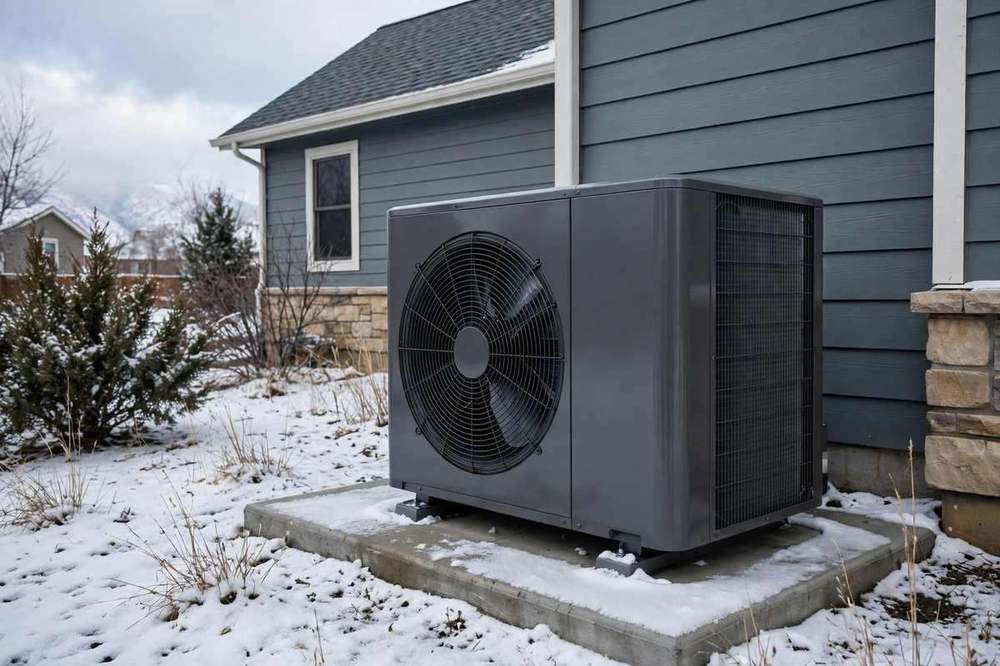
A heat pump making a loud noise is almost always a mechanical or installation problem, not a normal operating sound - the most common culprits are loose panels, a failing fan motor, debris in the outdoor unit, or ice buildup on the coils. In Denver, the thin air and big temperature swings between day and night make several of these worse than they'd be at sea level. Below we break down each sound, what it means, and how to get your system quiet again.
Why is my heat pump making a loud noise in Denver?
Heat pump loud noise in Denver usually traces back to one of five things: a loose cabinet panel vibrating against the frame, a worn fan blade or motor bearing, refrigerant issues that make the compressor work harder, ice on the outdoor coil, or a unit that was never set level on its pad. Denver's altitude - roughly 5,280 feet - reduces air density, so the fan has to spin a little faster to move the same volume of air, which amplifies any imbalance you'd barely notice at lower elevations.
Heat pump noise is the sound of a component that has drifted out of spec. A healthy unit runs at about 60 to 65 decibels at three feet - roughly the level of a normal conversation. If yours has climbed to where you hear it through a closed window, something has changed.
We handle heat pump repair Denver CO calls every week where the homeowner waited months on a noise that turned out to be a worn fan motor. Catching it early is the whole game.
What each heat pump noise is telling you
Common heat pump noises in Denver CO fall into a handful of recognizable categories, and each points to a different part of the system. Match the sound you're hearing to the list below before you call anyone.
Rattling or buzzing
A rattle is almost always vibration, not a failing compressor. Loose screws on the access panels, a fan blade that's picked up a small rock, or copper lines touching the cabinet will all produce a buzz you can feel through the wall. Tighten the panel screws by hand first - if the rattle stops, you've found it.
Grinding or screeching
Grinding means metal on metal, and it's the one noise you shouldn't sit on. A fan motor bearing that's lost its grease will screech on startup and grind continuously. Left alone, the motor seizes and can take the control board with it. Shut the system off at the breaker and get it looked at.
Clicking
One click at the start and end of a cycle is the contactor doing its job. Rapid, repeated clicking - sometimes 10 or 20 times in a row - points to a failing contactor, a low-voltage control issue, or a compressor that's trying to start and tripping its internal overload.
Whooshing or hissing
A steady whoosh at the start of a defrost cycle is normal. Hissing that continues, or a sound like air escaping, can mean a refrigerant leak. If you also see ice on the outdoor coil in heating mode, that's the pattern to watch for.
Banging or thumping
Loud bangs inside the outdoor unit usually mean the compressor is loose on its mounting springs, or a fan blade is out of balance and striking the shroud. This one gets worse fast and rarely fixes itself.
Denver-specific reasons your heat pump gets loud
Denver heat pump problems tend to cluster around three local conditions: altitude, freeze-thaw cycles, and the dust that blows in off the plains. Each one has a specific effect on how loud your system runs.
The first is altitude. At 5,280 feet, air density is about 18% lower than at sea level. Fan motors and compressors are sized for standard conditions, so they run at higher RPM to compensate - which makes any imbalance in the fan blade louder and wears bearings faster. If your unit was installed without an altitude adjustment, it may have been running slightly out of spec since day one.
The second is the freeze-thaw cycle. Denver swings from the 60s in the afternoon to the 20s overnight for much of the winter. That cycle drives the heat pump into defrost mode more often than in milder climates, and each defrost cycle produces a whoosh and a steam cloud that startles homeowners who've never had a heat pump before. Frequent defrost is normal here. Ice that stays on the coil for hours is not.
The third is dust and debris. Spring winds off the Front Range push grit, cottonwood fluff, and leaves into outdoor units. A fan blade with a coating of debris goes out of balance and starts to rattle. We see this constantly in neighborhoods near the parks and open space - a unit in heat pump maintenance Denver CO that gets a spring cleaning runs noticeably quieter all summer.
How to quiet a loud heat pump in Denver
How to quiet a loud heat pump in Denver comes down to a short checklist you can run yourself before calling anyone. Work through these in order - most homeowners find the source in the first three steps.
- Kill the power at the breaker. Never poke around inside the cabinet with the unit live.
- Clear the area around the outdoor unit. You want 2 feet of clearance on all sides and 5 feet above. Leaves, mulch, and stored garden tools all bounce sound back at the house.
- Check the panels. Hand-tighten every screw on the access panels and the top grille. Replace any that are stripped.
- Look at the fan blade. With the power off, spin it by hand. It should turn freely and stop without wobbling. Any grit or bent blade needs attention.
- Inspect the pad. The unit should sit level. A pad that's heaved from a Denver freeze-thaw cycle tilts the compressor and makes everything louder.
- Hose off the coil. A gentle spray from the inside out clears dust and cottonwood fluff. Do this each spring.
If the noise persists after all six steps, the problem is internal - motor bearings, the compressor, or refrigerant charge - and it's time for a technician. We also see a lot of noise complaints that turn out to be a duct issue rather than the outdoor unit itself; duct sealing Denver CO quiets systems where the return duct is undersized and whistling.
Common mistakes that make heat pump noise worse
The most common mistake we see is homeowners turning the system off and waiting. A grinding fan motor doesn't heal, and a compressor that's been running hot from a refrigerant leak will eventually fail outright - a repair that costs far more than the original fix would have.
The second mistake is building a sound wall around the unit. Fences, shrubs, and enclosures trap heat and recirculate air, which makes the compressor work harder and louder. Clearance matters more than camouflage.
The third is skipping the annual tune-up. A heat pump that gets a proper spring and fall service runs at spec, and most noise complaints we resolve trace back to a system that hadn't been touched in two or three years. If you're not sure when yours was last serviced, our HVAC maintenance plans Denver CO cover both seasons and catch bearing wear before it becomes a screech.
One more: don't let anyone top off refrigerant without finding the leak. Adding gas to a sealed system is a temporary patch, and the compressor noise will come back.
When to call a professional
Call a professional when the noise is grinding, banging, or accompanied by ice that won't clear, or when you've tightened the panels and cleared the debris and the sound is still there. Those four symptoms point to internal components that need a technician's gauges and meters, not a screwdriver.
We at Lion Tech Home Services handles noisy heat pumps across the metro, from a rattling unit in a 1950s bungalow to a new build in the suburbs. We diagnose the sound, show you the part, and fix it the same visit when the part's on the truck. If your unit is in a neighborhood where freeze-thaw and wind-driven debris hit hard - like the older housing stock around heat pump installation Denver CO projects we've done near Sloan Lake - we'll also check whether the original install set the unit up to run quiet from the start.
Frequently Asked Questions
Why is my heat pump making a loud noise in Denver?
The most common cause is a loose panel or a fan motor with worn bearings - Denver's lower air density makes the fan spin faster and amplifies any imbalance. Debris and ice buildup from freeze-thaw cycles are the next most frequent culprits.
What causes heat pump noise in Denver CO?
Altitude, freeze-thaw cycling, and wind-blown dust are the three local drivers. Altitude forces higher fan RPM, freeze-thaw triggers frequent defrost cycles, and dust unbalances the fan blade. Any of the three will make a unit louder than it should be.
How do I fix a loud heat pump in Denver?
Start by cutting power, clearing 2 feet of clearance around the unit, tightening every panel screw, and hosing off the coil. If the noise survives those steps, it's internal - bearings, compressor, or refrigerant - and needs a technician with gauges.
Who repairs noisy heat pumps in Denver?
Call a HVAC contractor that services heat pumps specifically, not a general handyman. Lion Tech Home Services repairs noisy heat pumps across the Denver metro and can usually get out the same or next day.
Get help with HVAC in Denver
A noisy heat pump is a fixable problem, and the sooner you deal with it the cheaper it usually is. Call Lion Tech Home Services at (720) 806-7634 and we'll track down the sound, tell you what it costs, and get your system running quiet again.