Frozen coils in summer
Low airflow from a clogged filter or dirty coil freezes the indoor coil. A visit catches the airflow problem before the coil ices.
A heat pump in Denver earns a twice-a-year habit: one check before the heating season and one before cooling. It runs all year, so it wears in both directions, and a visit in each season catches what the other would miss. Call (720) 806-7634 to book a visit.
Call (720) 806-7634 to book a spring or fall visit. Lion Tech Home Services checks the whole heat pump and leaves a note of what was found.
Call Now (720) 806-7634 → Open 24 hours · 7 days a week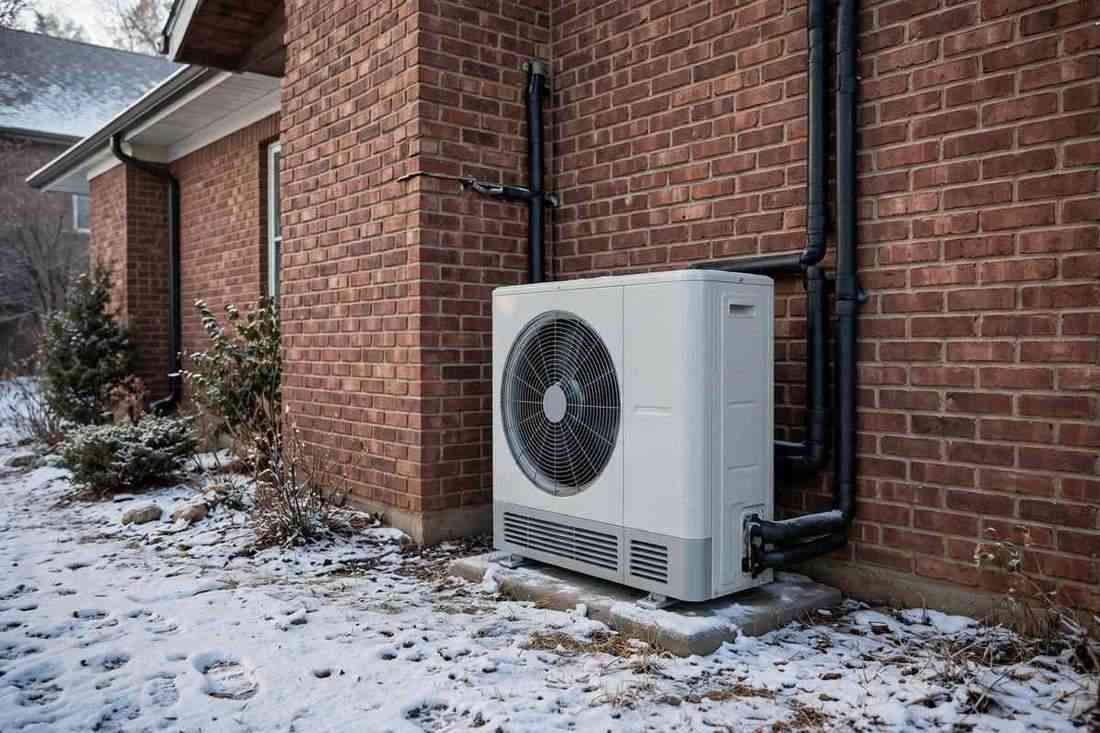
A heat pump maintenance visit is a full check of the system that heats and cools a home: coils cleaned, airflow measured, refrigerant pressures checked, electrical parts tested, and the defrost cycle confirmed. The point is to catch wear while it is still small.
Denver seasons are hard on heat pumps. Summer dust and cottonwood clog outdoor coils, winter ice tests the defrost cycle, and the system runs through both. A spring visit gets the cooling side ready; a fall visit gets the heating side ready. Skipping both means the first cold snap or heat wave becomes the test, and that is when breakdowns appear.
A maintenance visit covers the whole system, indoors and out.
The outdoor coil is cleaned and the indoor coil is checked, so airflow and heat transfer are not choked by dust, pollen, and cottonwood.
Airflow is measured and the filter is checked. A clogged filter is the most common cause of frozen coils and weak heating seen on these visits.
Pressures are read and compared with the manufacturer's range. Low refrigerant points to a leak, which is flagged rather than ignored.
Capacitors, contactors, and motors are tested for wear. Electrical parts usually give warning signs before they fail outright.
The defrost cycle, sensors, and outdoor fan are confirmed working, so winter icing does not catch the system out.
Thermostat settings and control wiring are checked, including auxiliary heat staging on dual-fuel systems.
Call and give the age and model of the system if known. A spring visit is booked for cooling and a fall visit for heating.
The outdoor unit, coil, fan, refrigerant lines, and pad are checked, and leaves and debris are cleared from around the unit.
The indoor coil, filter, drain, and controls are checked, and airflow is measured at the registers.
The system is run in the mode for the coming season, with temperatures, pressures, and defrost operation checked.
A note is left of what was checked, what is wearing, and what, if anything, needs attention before the season.
The same instruments used for repairs, applied as a check-up before anything breaks.
Reads refrigerant pressures against the manufacturer's range to spot a slow leak early.
Tests capacitors, contactors, and motors for wear before they fail.
Supply and return readings show whether the system is moving heat properly.
Brushes and coil cleaner clear dust and cottonwood without bending the fins.
Sees the indoor coil, drain, and wiring in tight spaces.
Confirms the outdoor unit sits level and drains properly, so water does not pool under it.
A heat pump had run for years without a maintenance visit. The outdoor coil was clogged, the filter was overdue, and the system strained through every hot afternoon.
After cleaning, a filter change, and a refrigerant check, the system ran in longer, steadier cycles and the air from the registers ran cooler.
A fall visit found a defrost sensor reading wrong, weeks before the first hard freeze. Left alone, the outdoor unit would have iced over in January.
The sensor was replaced during the visit, and the system defrosted on schedule all winter.
A maintenance check found a crushed duct run feeding one bedroom, which explained why that room always lagged behind the rest of the house.
The duct was repaired and the register balanced, and the bedroom now holds temperature with the rest of the home.
Most heat pump breakdowns give warning first. A maintenance visit is where those warnings are found.
Ask a pro →Low airflow from a clogged filter or dirty coil freezes the indoor coil. A visit catches the airflow problem before the coil ices.
A faulty defrost sensor or control lets ice build on the outdoor unit. Testing the defrost cycle in fall finds it before January.
Electrical parts wear with every start. Testing them during a visit finds the weak ones before they strand the system.
A slow leak shows up as gradually weaker heating and cooling. Pressure checks during maintenance spot the trend early.
Lion Tech Home Services maintains heat pumps in Denver homes from 7575 E 29th Pl #4052, in spring and in fall.
Lion Tech Home Services is rated 5.0 out of 5 from 11 Google reviews.
“Absolutely excellent service - very responsive and able to work until the job is done right. Was super impressed by the support on our fireplaces and furnace - nice to have all up and working again! Many thanks”
John-Erik EmmetsbergerGoogle review
✓ VerifiedTwice a year is the usual rhythm: a spring visit for the cooling season and a fall visit for the heating season. A heat pump runs all year, so one visit a year leaves half the system unchecked.
Coil cleaning, airflow and filter checks, refrigerant pressure readings, electrical testing, a defrost check, and a thermostat review. A note is left of what was checked and anything that is wearing.
Spring, before the cooling season, and fall, before the heating season. Booking ahead of the season means the system is checked before it is needed most.
Regular checks catch the small problems, dirty coils, weak airflow, worn electrical parts, slow leaks, before they turn into breakdowns. That is the practical value of a visit: fewer surprises, and a system that runs steadily.
Call (720) 806-7634 to book a spring or fall visit. Lion Tech Home Services will check the whole system and leave a note of what was found.
Call (720) 806-7634 →Lion Tech Home Services, Denver — call (720) 806-7634, open 24 hours.