How to Bleed a Boiler Radiator in Capitol Hill
Step-by-step guide to bleeding a boiler radiator in Capitol Hill, Denver. Learn when to bleed, tools needed, and when to call a pro.
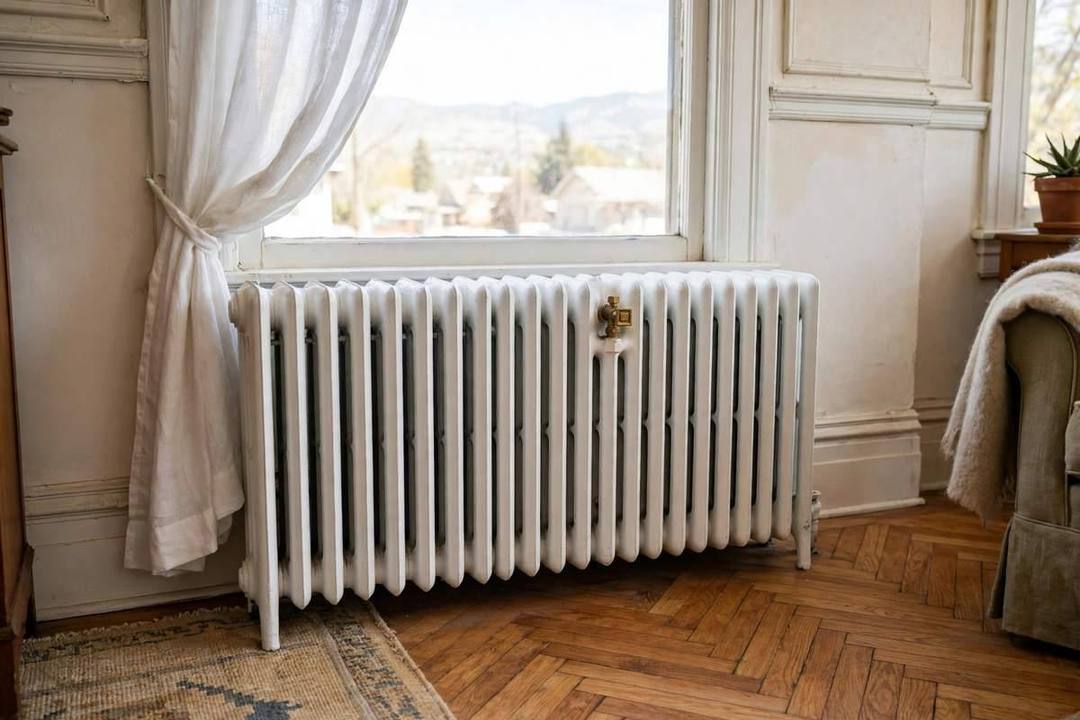
Bleeding a boiler radiator in Capitol Hill means opening the bleed valve at the top of the radiator and letting trapped air escape until water dribbles out steadily. That single step restores even heat, stops the banging, and takes about five minutes per radiator once you have a radiator key and a towel. This guide covers why Denver homes trap air in the first place, the exact steps for the older cast-iron radiators common in Capitol Hill, and when the problem is bigger than a bleed valve.
We are Lion Tech Home Services, and we work on Denver heating systems every week - from 1920s bungalows near Cheesman Park to converted Victorian flats off Colfax. If you want a professional to handle it, we is one call away.
What Bleeding a Boiler Radiator Actually Does
Bleeding a boiler radiator is a maintenance task that releases trapped air from the top of the radiator so hot water can fill the entire unit and heat the room evenly. Air is lighter than water, so it rises to the highest point in the system - usually the bleed valve on the top corner of each radiator. When that air pocket sits there, the radiator stays cold at the top and warm at the bottom, or it never gets hot at all.
In a hot-water boiler system, water circulates from the boiler through pipes to each radiator and back. Air enters through tiny leaks, fresh water added to the system, or a failing automatic air vent. Once inside, it blocks the flow. Bleeding pushes the air out and lets water take its place.
Steam systems work differently. If your Capitol Hill building has a one-pipe steam boiler, the radiator has a steam valve and an air vent, not a bleed valve. Bleeding a steam radiator is not the same procedure, and opening the wrong valve can scald you. We will cover how to tell the difference below.
Why Does My Boiler Radiator Need Bleeding in Denver?
Denver's high altitude and dry climate accelerate the two things that put air into a hydronic system: pressure fluctuations and small water losses. At 5,280 feet, water boils at about 202°F instead of 212°F, and boiler pressure settings that work at sea level can behave differently here. Add a 40-degree overnight swing in November and the system expands and contracts more than it would in a milder climate.
Older Capitol Hill buildings add another factor. Many were built between 1890 and 1930 with cast-iron radiators and original steel pipes. Those pipes have had a century of thermal cycling. Micro-leaks at fittings and valves let air in slowly. Every time the system cools, a little more air gets pulled in.
You will notice the result as:
- Radiators that are hot at the bottom and cold at the top
- Banging, knocking, or gurgling sounds when the heat kicks on
- One room that never warms up while the rest of the apartment is fine
- The boiler pressure gauge reading low - often under 12 psi on a residential system
- Higher gas bills because the boiler runs longer to hit the thermostat setpoint
If you are seeing these signs across multiple units, it may be time for a professional boiler repair Denver CO visit rather than a DIY bleed. Air is a symptom; the source matters.
How Do I Bleed a Boiler Radiator in Capitol Hill Denver?
Here is the step-by-step process we use on hot-water radiator systems in Capitol Hill and across Denver. Set aside 30 minutes for a typical 4-to-6 radiator apartment.
Tools You Need
- A radiator bleed key (brass, sold at any Denver hardware store) or a flat-head screwdriver for newer valves
- A small cup or towel to catch drips
- A rag for the valve
- Work gloves - the water can be 140°F to 180°F
Step-by-Step
- Turn the heat off and let the system cool. Wait at least 30 minutes after the boiler shuts down. Bleeding a hot system risks scalding.
- Locate the bleed valve. It is a small brass fitting at the top corner of the radiator, usually opposite the pipe connections. On modern radiators it looks like a slotted screw; on older cast iron it takes a square key.
- Place your cup and towel underneath. Water will come out, and it will be dirty the first few seconds.
- Open the valve counterclockwise a quarter to half turn. You will hear a hiss. That is the air escaping.
- Wait for a steady stream of water. When the hissing stops and water dribbles out without spitting, close the valve clockwise. Do not overtighten - brass valves strip easily.
- Check the boiler pressure gauge. It should read 12 to 18 psi on a typical residential system. If it dropped below 12, you may need to add water via the fill valve.
- Repeat on every radiator. Start with the ones on the highest floor or farthest from the boiler, then work back toward it.
If your building runs on steam, stop here. Steam radiators have a steam supply valve and a separate air vent, and the procedure is different. Call a pro rather than guessing.
If you would rather not handle it yourself, we handles heating system repair Denver CO across Capitol Hill and the surrounding neighborhoods. We bleed, balance, and check the whole loop in one visit.
When to Bleed a Boiler Radiator in Denver
Bleed your radiators once in the fall before the first hard freeze - usually late September or early October in Denver - and again mid-season if you notice cold tops or banging. That is the honest answer. Most Capitol Hill buildings need a full bleed once a year and a spot-check on problem radiators once or twice more.
Specific triggers to watch for:
- First cold snap of the season. Denver's first overnight freeze typically lands in mid-to-late October. Bleed before you need the heat, not after.
- After any boiler service. Adding water or opening the system introduces air.
- After a pressure loss. If the gauge dropped below 12 psi, air likely entered.
- When one radiator stays cold. That is the classic sign of an air lock.
- After a summer of no use. Air accumulates in idle systems.
If you are on a maintenance plan, we handle this as part of the annual visit. Our boiler maintenance Denver CO service includes bleeding, pressure check, and a combustion test on the burner.
Common Radiator Problems in Capitol Hill Denver CO
Capitol Hill's housing stock creates a specific set of radiator issues you will not see in a 1990s suburban build. Here is what we run into most often.
Cold Radiators That Will Not Bleed Out
If you bleed a radiator and it stays cold, the problem is not air. It is usually a stuck zone valve, a failed circulator pump, or a balance issue where one radiator is stealing all the flow. On a 6-unit building, one bad zone valve can leave an entire floor cold.
Banging and Knocking
Banging in a hot-water system usually means air or low pressure. Banging in a steam system means water is trapped in the pipes - a condition called water hammer - and it can crack a radiator. Both need attention before they cause damage.
Leaking Bleed Valves
Brass bleed valves on 80-year-old radiators corrode and drip after they are opened. If yours will not seal, the valve needs replacement. That is a short job for us and a frustrating one for a homeowner without the right key and thread sealant.
Uneven Heat Across the Building
In multi-unit Capitol Hill buildings, the top floor often overheats while the ground floor stays cold. That is a balancing problem, not a bleeding problem. Fixing it means adjusting valves on each radiator so flow is distributed correctly.
If you are dealing with any of these, our residential HVAC services Denver CO service can diagnose and fix the whole system, not just the one radiator.
Common Mistakes to Avoid
Most DIY radiator bleeding goes fine. These are the mistakes that turn a 5-minute job into a service call.
- Bleeding a hot system. Wait 30 minutes after the boiler shuts off. Water at 160°F will burn you in under a second.
- Overtightening the valve. Brass strips easily. Snug is enough.
- Bleeding a steam radiator's supply valve. That releases live steam. If your radiator has a single pipe and a hissing air vent on the opposite end, it is steam. Do not open the supply valve.
- Forgetting to check boiler pressure afterward. If it dropped below 12 psi, the system needs water.
- Bleeding only one radiator. Air migrates. If one is gurgling, others likely are too.
- Ignoring a recurring air problem. If you bleed monthly, you have a leak or a failing air vent. Bleeding is a symptom fix.
When to Call a Professional
Call a professional when bleeding does not solve the problem, when the boiler pressure will not hold, when you smell gas or see water pooling near the boiler, or when your building runs on steam. Those are not DIY situations.
We also recommend a pro visit if you have bled the same radiator three times in one season. That pattern means air is entering somewhere it should not - a failing automatic air vent, a pinhole leak in a pipe, or a bad gasket at the boiler. Finding it takes a pressure test and a walk of the whole loop.
Lion Tech Home Services handles boiler and radiator work across Capitol Hill and the rest of Denver. We show up, diagnose the actual cause, and fix it - not just bleed the radiator and hand you a bill.
Frequently Asked Questions
How do I bleed a boiler radiator in Capitol Hill Denver?
Turn the heat off, wait 30 minutes, and place a cup under the bleed valve at the top corner of the radiator. Open the valve a quarter turn with a radiator key until you hear hissing, then close it when water dribbles out steadily. Check boiler pressure afterward - it should read 12 to 18 psi.
Why does my boiler radiator need bleeding in Denver?
Denver's 5,280-foot altitude and 40-degree temperature swings push air into hydronic systems faster than at lower elevations. Older Capitol Hill pipes with micro-leaks let air in every time the system cools, and that air rises to the top of each radiator and blocks heat.
How often should I bleed radiators in Denver CO?
Once in the fall before the first freeze - usually late September or early October - and again mid-season if you notice cold tops or banging. Most homes need one full bleed per year. If you are bleeding monthly, you have a leak that needs professional diagnosis.
Who can bleed my radiator in Capitol Hill Denver?
Lion Tech Home Services handles radiator bleeding and full boiler service across Capitol Hill and Denver. We bleed the system, check pressure, balance the zones, and fix the underlying air source. Call (720) 806-7634 to schedule.
Can I bleed a steam radiator the same way?
No. Steam radiators have a supply valve and a separate air vent, not a bleed valve. Opening the supply valve releases live steam and can scald you. If your radiator has one pipe and a hissing vent on the opposite end, call a professional instead of bleeding it yourself.
Get Help with HVAC in Denver
If your Capitol Hill radiators are cold, banging, or need bleeding more than once a season, we can help. We handles boiler repair, maintenance, and full heating system service across Denver.
Call Lion Tech Home Services at (720) 806-7634 to schedule a visit. We will find the air source, fix it, and get your heat back to even.