Boiler will not fire
Ignition, controls and gas supply are checked, and pressure is read. A boiler locked out on low pressure never fires until the water side is sorted.
Boiler repair is a different kind of no-heat call — a boiler that quits, leaks, or leaves half the radiators cold, where water, pressure and air in the system matter as much as the burner. Lion Tech Home Services works on the boiler, the piping and the radiators as one system.
The phone is answered any hour, day or night. Ring (720) 806-7634, say what the boiler is doing, and the visit is talked through from the symptoms.
Call Now (720) 806-7634 →Phone-only booking — name the boiler fault and the visit is set.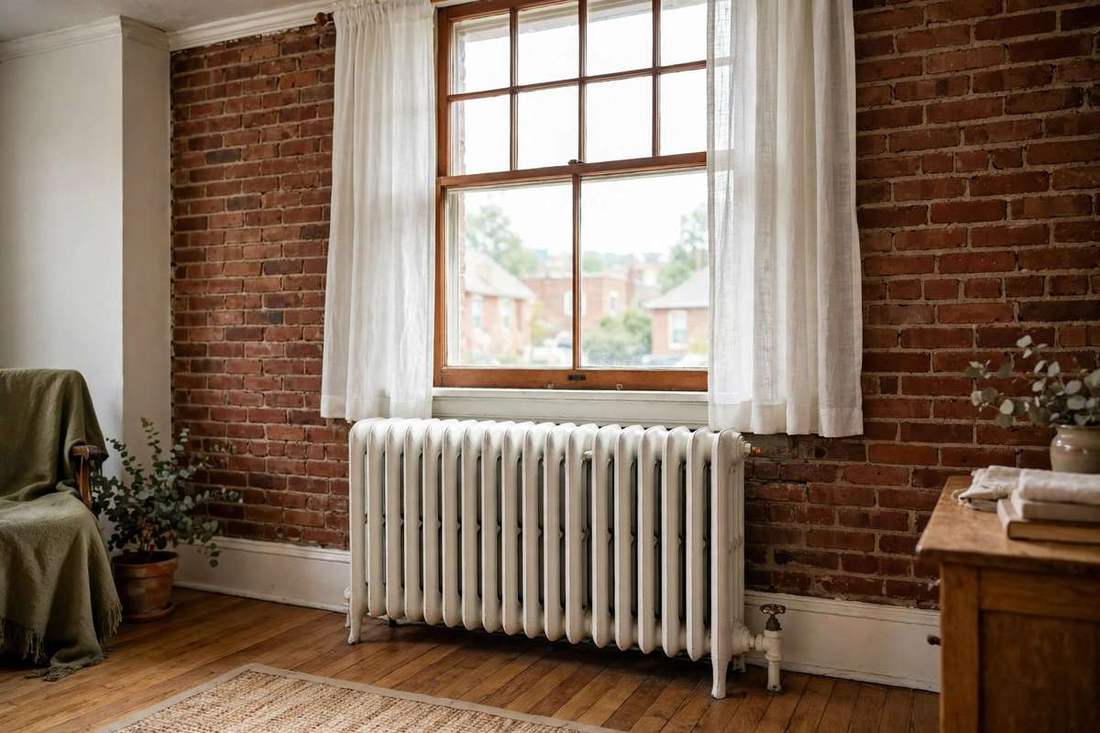
Repair is diagnosis plus the mechanical work that restores heat to a hot-water home: boiler, circulator pump, expansion tank, piping, radiators or baseboards in the rooms. The visit starts with pressure, temperature and burner readings, because a boiler that will not fire and one that fires without heating are different faults.
Boilers are more common in Denver than in newer cities. Whole streets of pre-war homes in Capitol Hill, Park Hill and Washington Park were built around boiler heat, with cast-iron radiators or baseboards and no ductwork at all. A boiler short-cycling, losing pressure or leaving radiators cold is usually telling the water side of the story, not just the burner.
The fault is found across the whole water system, explained, fixed where it failed, and heat is tested room by room. That is the shape of every visit.
Burner, heat exchanger, ignition and controls are checked, and pressure and temperature gauges read. A boiler that will not fire and one that fires without heating are different faults.
Pump tested for flow and noise. A pump seized or running dry leaves radiators cold even while the boiler itself runs hot.
Expansion tank checked for a failed bladder, system pressure read hot and cold. Pressure climbing when the boiler fires points to the tank, not the boiler.
Air trapped in radiators and high points stops water moving. Radiators are bled, and the air separator and vents are checked so air does not return.
A leak at a valve, a joint or the boiler itself is traced to its source. Water on the floor under a boiler has a cause, and topping up pressure without finding it only delays the next call.
Once fixed, a full heat cycle runs and the radiators are checked room by room, so heat is known to reach the far rooms as well as the near ones.
Ring (720) 806-7634 and describe what the boiler is doing — no heat, a leak, a noise, cold radiators, pressure dropping. If you smell gas, leave the house first and call 911 or the gas company.
Pressure and temperature gauges are read, burner and controls checked, circulator pump and expansion tank tested.
Nothing is touched until you have heard what failed, why it failed, and what the repair involves. A fault sitting in the piping rather than the boiler comes with that news too.
Once agreed, the failed part is replaced or the leak repaired, and a full heat cycle runs with radiators checked room by room.
You are shown what failed, radiators that need it are bled, and the thermostat is set with you. Later questions go to the same number.
Boiler diagnosis is water work as much as burner work. These tools read both sides of the system.
They read system pressure hot and cold, and supply and return temperatures. Pressure climbing as the boiler fires points straight at the expansion tank.
Ignition, controls, circulator pump and zone valves are tested. A pump pulling too much current shows up on a meter before it seizes.
Carbon monoxide and flue temperature are measured to confirm the boiler burns cleanly and vents correctly once it is running.
It checks every gas joint after a repair, and helps trace water leaks at valves, joints and the boiler body.
Trapped air is bled from radiators and high points so water can move through the whole system again.
It reads radiator and pipe temperatures room by room, so a cold radiator is traced to its cause — air, a stuck valve, or a balancing problem.
In Denver, a boiler fires and gets hot, but radiators stay cold and the house never warms.
Circulator pump tested, system checked for trapped air. A seized pump or an airlock leaves the boiler hot and the house cold.
A boiler in Washington Park loses pressure over a few days and keeps needing to be topped up. No water shows on the floor.
The expansion tank is looked at, and a slow leak hunted at valves and joints. Pressure that keeps falling always has a cause.
A boiler in Denver makes a kettling, banging noise when it fires, and the radiators gurgle.
Scale and sludge in the heat exchanger are checked, along with air trapped in the system. Kettling is the sound of water boiling where it should be flowing.
Boiler calls mostly follow a few familiar patterns. These are the ones seen most across Denver, and the way each is approached.
Ask a pro →Ignition, controls and gas supply are checked, and pressure is read. A boiler locked out on low pressure never fires until the water side is sorted.
A radiator cold at the top holds air; one cold at the far end has a flow problem. Radiators are bled and pump and balancing checked.
Pressure that keeps dropping means water is leaving the system — a leak, a failed expansion tank, or a relief valve letting go. Lion Tech Home Services finds which one.
Water under a boiler can come from a valve, a joint, the relief valve or the boiler body. It is traced to its source before anything is replaced.
Many Denver boilers heat radiators in pre-war brick homes, so a repair visit starts at the radiators and the water side, not only at the burner — pressure, flow and trapped air decide the diagnosis.
Lion Tech Home Services has 11 Google reviews, all five stars, and a 5.0-star rating to match.
“Absolutely excellent service - very responsive and able to work until the job is done right. Was super impressed by the support on our fireplaces and furnace - nice to have all up and working again! Many thanks”
John-Erik Emmetsberger — Google review
A radiator cold at the top usually holds trapped air and needs bleeding. One cold all over usually has a flow problem — stuck valve, seized pump, or balancing issue. Radiators are checked room by room to find which it is.
Pressure that keeps dropping means water is leaving the system. Usual causes are a slow leak at a valve or joint, a failed expansion tank, or a relief valve letting go. Topping up without finding the cause only delays the next call.
It depends on the failed part. A bleed and a pump replacement are very different jobs, so diagnosis comes first and you hear what is wrong and what the repair involves before any work begins. Ring (720) 806-7634 and describe the symptoms.
Lion Tech Home Services fixes boilers across Denver, from Capitol Hill and Washington Park to Highland and Central Park. Ring (720) 806-7634 — the phone is answered around the clock.
Ring (720) 806-7634, describe what the boiler is doing, and the visit is talked through on the call, including the first thing to check.
Call (720) 806-7634 →Lion Tech Home Services, Denver — call (720) 806-7634, open 24 hours.